অস্ত্রোপচার ছাড়া প্লান্টার ফ্যাসাইটিসের চিকিৎসা: আসলে কী কাজ করে
সকালে ঘুম থেকে উঠে মেঝেতে পা রাখলেই গোড়ালিতে ছুরি মারার মতো ব্যথা। কয়েক পা হাঁটলে কমে যায়। সন্ধ্যায় আবার ফিরে আসে। এমন হলে আপনার প্লান্টার ফ্যাসাইটিস (Plantar Fasciitis) হয়ে থাকতে পারে। ভালো খবর হলো, বেশিরভাগ মানুষ অপারেশন ছাড়াই ভালো হন। তবে কোন চিকিৎসা আপনার জন্য ঠিক, তা নির্ভর করে ব্যথা কতদিন ধরে আছে তার উপর। এই লেখায় জানবেন কোন ধাপে কী করলে কাজ হয়, আর কখন ঠিকমতো পরীক্ষা করানো দরকার। সংক্ষেপে উত্তর প্লান্টার ফ্যাসাইটিস আসলে কী আপনার পায়ের তলায় একটা মোটা টিস্যুর পট্টি আছে। এটা গোড়ালির হাড় থেকে পায়ের আঙুল পর্যন্ত গেছে। একেই প্লান্টার ফ্যাসিয়া বলে। এটা পায়ের খিলান ধরে রাখে, আর প্রতিটি পা ফেলার সময় ধাক্কা সামলায়। এই পট্টির উপর চাপ বেশি পড়লে গোড়ালির কাছে জায়গাটা ব্যথা করতে শুরু করে। এখন অনেক বিশেষজ্ঞ মনে করেন, এখানে টিস্যু শুধু ফুলে যায় না, চাপে ক্ষয়ও হয়। তাই শুধু বিশ্রাম আর ব্যথার ওষুধে অনেক সময় পুরো সমাধান হয় না। এ কারণেই অনেকে মাসের পর মাস আটকে থাকেন। সমস্যাটা খুব সাধারণ। বয়স ৪০ এর আশপাশে এসে শুরু হওয়া অনেক বেশি দেখা যায়। যাঁদের ঝুঁকি বেশি: হিল স্পার নিয়ে একটা কথা। এক্স-রে করলে গোড়ালির হাড়ে ছোট একটা কাঁটার মতো বাড়তি অংশ দেখা যেতে পারে। একে হিল স্পার বলে। অনেক মানুষের হিল স্পার থাকে কিন্তু কোনো ব্যথাই থাকে না। গোড়ালিতে টান পড়ার ফলে সাধারণত স্পার তৈরি হয়। স্পার ব্যথার আসল কারণ না। তাই স্পার নিয়ে পড়ে থাকলে সমাধান মেলে না। সত্যিই কি প্লান্টার ফ্যাসাইটিস? চিকিৎসার আগে মিলিয়ে নিন সাধারণ লক্ষণ এমন: আরও কিছু সমস্যা দেখতে একই রকম মনে হয়, তাই পার্থক্যটা জানা ভালো: নিচের কোনোটা থাকলে ঘরোয়া চেষ্টার জন্য অপেক্ষা করবেন না, আগে চিকিৎসককে দেখান: পা ফোলা বা কালশিটে পড়া, পায়ে ভর দিতে না পারা, বিশ্রামে থাকলেও রাতে ব্যথা, অসাড় ভাব, লাল হয়ে জ্বরের সাথে ব্যথা, পড়ে গিয়ে বা আঘাতের পর ব্যথা শুরু হওয়া, অথবা ডায়াবেটিস থাকা। আপনি এখন কোথায়? নিজের পথ বেছে নিন ব্যথা কতদিনের সাধারণত কী করা ঠিক ৬ সপ্তাহের কম ঘরোয়া যত্ন: সঠিক স্ট্রেচিং, ধীরগতির শক্তি বাড়ানোর ব্যায়াম, ভালো জুতা, দাঁড়ানোর অভ্যাস ঠিক করা। বেশিরভাগ মানুষের এতেই উন্নতি শুরু হয়। ৬ থেকে ১২ সপ্তাহ, তেমন উন্নতি নেই পরীক্ষা করান। অভিজ্ঞ চোখ ধরতে পারে কেন সারছে না, যেমন পেশি বেশি শক্ত, ভুল ব্যায়াম বা ভুল জুতা। ৩ থেকে ৬ মাস ফিজিওথেরাপির সাথে শকওয়েভ থেরাপি, TECAR বা PRP এর মতো বাড়তি বিকল্প নিয়ে বিশেষজ্ঞের সাথে কথা বলার সময়। সঠিক চিকিৎসার পরও ৬ থেকে ১২ মাসের বেশি সব বিকল্প খুঁটিয়ে দেখুন, সার্জনের মতামত নেওয়া দরকার কি না সেটাও। আসলে কী কাজ করে, ধাপে ধাপে ১. সঠিকভাবে স্ট্রেচ করুন সাধারণ কাফ স্ট্রেচ ভালো, কিন্তু প্লান্টার ফ্যাসিয়ার জন্য আলাদা একটা স্ট্রেচ আছে, যার পক্ষে ভালো প্রমাণ আছে। ১. বসে ব্যথার পা অন্য পায়ের হাঁটুর উপর তুলে রাখুন। ২. হাত দিয়ে পায়ের আঙুল ধরে শিনের (পায়ের সামনের হাড়) দিকে টেনে আনুন। পায়ের খিলান বরাবর টান অনুভব করবেন। ৩. ১০ সেকেন্ড ধরে রাখুন। এভাবে ১০ বার করুন। ৪. দিনে তিনবার করুন। সকালে বিছানা থেকে নামার আগেই এক রাউন্ড সেরে নিন। দেয়ালে হাত রেখে কাফের পেশিও টান দিন, ৩০ সেকেন্ড করে, দিনে কয়েকবার। কাফ শক্ত থাকলে সেটা গোড়ালিকে টানে, আর সমস্যা চলতেই থাকে। ২. ধীরে ধীরে শক্তি বাড়ান এই ধাপটা অনেকেই বাদ দেন। একটা পরিচিত গবেষণায় দেখা গেছে, তিন মাস পরে শুধু স্ট্রেচিংয়ের চেয়ে ধীরগতির ভারী হিল রেইজ ভালো ফল দিয়েছে। ৩. পা রোজ কিসের উপর থাকে সেটা বদলান চিকিৎসা বেশিরভাগ সময় ব্যর্থ হয় কারণ প্রতিদিনের চাপটা বদলায় না। নিজের দিনটা ভাবুন: ছোট ছোট বদলই অনেক কাজ করে। ঘরেও জুতা বা নরম কুশনওয়ালা স্লিপার পরুন। গোড়ালিতে নরম আর খিলানে শক্ত সাপোর্ট আছে এমন জুতা বেছে নিন। হাঁটা বা দৌড় ধীরে ধীরে বাড়ান। ওজন বেশি হলে সামান্য কমলেও খিলানের উপর চাপ কমে। ৪. আপাতত ব্যথা সামলান ফ্রিজে রাখা পানির বোতল পায়ের তলায় ৫ থেকে ১০ মিনিট গড়িয়ে নিন। নরম হিল কাপ সকালের প্রথম কয়েক পায়ের কষ্ট কমাতে পারে। ব্যথার ওষুধ খেলে অল্প সময়ের জন্য খান, আর আগে চিকিৎসকের সাথে কথা বলুন, বিশেষ করে যাঁদের পেট, কিডনি বা হার্টের সমস্যা আছে। ওষুধ ব্যথা কমায়, কিন্তু টিস্যু সারায় না। ঘরোয়া যত্নে না কমলে: অস্ত্রোপচার ছাড়া বিকল্প নিয়মিত ঘরোয়া যত্ন ঠিকমতো করার পরও ব্যথা থাকলে এগুলো সাধারণ পরের ধাপ। কোনো চিকিৎসাই সবার জন্য কাজ করে না, আর ভালো প্র্যাকটিশনার সেটা সৎভাবে বলবেন। বিকল্প কী করে যা জানা দরকার গাইডেড রিহ্যাব ও ফিজিওথেরাপি আপনার পা, কাফ ও দৈনন্দিন কাজের উপযোগী পরিকল্পনা প্রতিটি পরিকল্পনার ভিত্তি। অন্য চিকিৎসা এর সাথে ভালো কাজ করে। এক্সট্রাকর্পোরিয়াল শকওয়েভ থেরাপি (ESWT) ব্যথার টিস্যুতে শব্দতরঙ্গ পাঠিয়ে শরীরের সারানোর কাজ শুরু করায় একটি সেশন প্রায় ২০ থেকে ৩০ মিনিট। সাধারণত ৫ থেকে ৬ সেশনের কোর্স। টিস্যু খারাপভাবে ছিঁড়ে গেলে উপযুক্ত না। TECAR রেডিওফ্রিকোয়েন্সি হালকা গভীর তাপ দিয়ে পেশি, টেন্ডন ও জয়েন্টের টিস্যুতে রক্তচলাচল বাড়ায় জেদি নরম টিস্যুর ব্যথায় প্রায়ই রিহ্যাবের সাথে দেওয়া হয়। প্লেটলেট-রিচ প্লাজমা (PRP) আপনার নিজের রক্ত থেকে সারানোর উপাদানসমূহ আলাদা করে ব্যথার জায়গায় ইনজেকশন দেওয়া হয় ইনজেকশনের জায়গায় ব্যথা বা ফোলা হওয়া স্বাভাবিক, সাধারণত কয়েকদিনে কমে যায়। গবেষণা এখনো চলছে, তাই ফল একেকজনের একেক রকম। স্টেরয়েড ইনজেকশন দ্রুত ব্যথা কমায় কয়েক সপ্তাহে আরাম ফিকে হতে পারে। বারবার নিলে ফ্যাসিয়া দুর্বল বা গোড়ালির প্যাড পাতলা হতে পারে, তাই আগে ঝুঁকির কথা জিজ্ঞেস করুন। খরচ নির্ভর করে চিকিৎসার ধরন ও সেশনের সংখ্যার উপর। পরিষ্কার উত্তর পেতে সবচেয়ে সহজ উপায় হোয়াটসঅ্যাপে মেসেজ করা। যেসব ভুলে গোড়ালির ব্যথা থেকেই যায় ১. একেবারে বিশ্রাম, তারপর হঠাৎ পুরো গতিতে ফেরা। কয়েক সপ্তাহ বিশ্রাম নিয়ে আগের রুটিনে ফিরলে ব্যথা সঙ্গে সঙ্গে ফিরে আসে। ২. শুধু পায়ের পাতা স্ট্রেচ করা, কাফ বাদ দেওয়া। দুটোই দরকার। ৩. টাইলসের মেঝেতে খালি পায়ে হাঁটা। মনে হয় ক্ষতি নেই। ব্যথার গোড়ালির জন্য আছে। ৪. তীব্র ব্যথা সহ্য করে চালিয়ে যাওয়া। হালকা টনটনে ভাব ঠিক আছে। ছুরি মারার মতো ব্যথা মানে থামুন। ৫. বারবার স্টেরয়েড ইনজেকশনের উপর ভরসা করা। দ্রুত আরাম আসল সমস্যাকে লুকিয়ে রাখতে পারে। ৬. হিল স্পারের পেছনে ছোটা। স্পার প্রায়ই আসল গল্প না। ৭. একটু ভালো লাগলেই ছেড়ে দেওয়া। ব্যথা ফিরে আসা ঠেকাতে আরও কয়েক সপ্তাহ স্ট্রেচিং আর শক্তির ব্যায়াম চালিয়ে যান। ৮. প্রতি সপ্তাহে চিকিৎসা বদলানো। কোনোটায় সমস্যা না বাড়লে অন্তত ৬ থেকে ৮ সপ্তাহ সুযোগ দিন। ৯. পরীক্ষা ছাড়া দামি ইনসোল কেনা। কোন ইনসোল ঠিক, তা নির্ভর করে আপনার গোড়ালি কেন ব্যথা করছে তার উপর। অপারেশনের কী অবস্থা? প্লান্টার ফ্যাসাইটিসের অপারেশনে ফ্যাসিয়ার একটা অংশ কেটে টান কমানো হয়। এটা খুব কম ক্ষেত্রে দরকার হয়। সাধারণত ৬ থেকে
Plantar Fasciitis Treatment Without Surgery: What Actually Helps

You get out of bed and your heel stabs. After a few steps it eases. By evening it is back. If that sounds like your mornings, you may have plantar fasciitis. Here is the good news. Most people get better without surgery. The catch is that the right treatment depends on how long you have had the pain. This guide shows what helps, in what order, and when it is time to get a proper check. Quick answer What plantar fasciitis really is The plantar fascia is a thick band of tissue under your foot. It runs from your heel bone to your toes. It holds up your arch and absorbs shock every time you walk. When this band is overloaded, the spot near the heel becomes sore. Many specialists now see it as tissue that is stressed and worn down, not just “inflamed”. That is why rest and pain pills alone often do not fix it, and why so many people feel stuck. It is very common. It often starts around age 40. You are more likely to get it if you stand for long hours, carry extra weight, have tight calves, have flat feet or very high arches, or suddenly walk or run a lot more than before. A word about heel spurs. An X-ray may show a small bony spur on your heel bone. Many people have spurs and no pain at all. The spur is usually a result of the pulling on the heel, not the cause of your pain. So chasing the spur is rarely the answer. Is it really plantar fasciitis? Check before you treat The usual pattern looks like this: Some other problems feel similar, so it helps to know the difference: Do not wait for home care to work if you have any of these: swelling or bruising, trouble putting weight on the foot, pain at night while resting, numbness, redness with fever, pain that started after a fall or injury, or diabetes. Get checked first. Where are you now? Pick your path How long you have had the pain What usually makes sense Under 6 weeks Home care: the right stretch, slow strengthening, better shoes, smarter standing habits. Most people start to improve. 6 to 12 weeks with little change Get assessed. A trained eye can spot why it is not settling, such as a tight calf, a wrong exercise or the wrong footwear. 3 to 6 months Time to look at added options with a practitioner, such as shockwave therapy, TECAR or PRP, alongside rehab. Over 6 to 12 months despite proper care Go through every option properly, including whether a surgical opinion is worth getting. What actually helps, step by step 1. Stretch the right way Generic calf stretches help, but a stretch aimed at the plantar fascia itself has good support. Also stretch your calf against a wall, 30 seconds, a few times a day. A tight calf pulls on the heel and keeps the problem going. 2. Strengthen slowly This is the step many people skip. In one well known study, slow, heavy heel raises worked better than stretching alone after three months. 3. Change what your foot lives on Treatment fails most often because the daily load never changes. Think about your day: Small fixes help a lot. Wear shoes or soft cushioned slippers even at home. Pick footwear with a cushioned heel and firm arch support. Build walking and running up slowly. If you carry extra weight, even a small drop takes load off the arch. 4. Calm the pain in the short term Roll a frozen water bottle under your arch for 5 to 10 minutes. A soft heel cup can take the sting out of the first steps. If you take pain relief tablets, keep it short and check with a doctor first, especially if you have stomach, kidney or heart problems. Pills ease pain. They do not fix the tissue. When home care is not enough: non-surgical options If you have given steady home care a fair try and the pain is still there, these are the common next steps. No treatment works for everyone, and a good practitioner will say so. Option What it does Worth knowing Guided rehab and physiotherapy A plan built for your foot, calf and daily routine The base of every plan. Other treatments work better with it. Extracorporeal shockwave therapy (ESWT) Sends sound waves into the sore tissue to kick-start healing A session takes about 20 to 30 minutes. A course is often 5 to 6 sessions. Not suitable if the tissue is badly torn. TECAR radiofrequency Gentle deep heat that boosts blood flow in muscle, tendon and joint tissue Often paired with rehab for stubborn soft tissue pain. Platelet-rich plasma (PRP) Uses your own blood, rich in healing factors, injected at the sore spot Soreness or swelling at the site is common and usually settles in a few days. Research is still growing, so results vary. Steroid injection Quick pain relief Relief can fade within weeks. Repeated shots may weaken the fascia or thin the heel pad, so ask about the risks first. Cost depends on the treatment and how many sessions you need. A message on WhatsApp is the quickest way to get a clear answer. Common mistakes that keep heel pain alive What about surgery? Surgery for plantar fasciitis means cutting part of the plantar fascia to ease the tension. It is rarely needed. It is normally discussed only after 6 to 12 months of proper non-surgical care has failed. Recovery can take a while, and some people have ongoing pain or changes to the arch afterward. That is why most people try the steps above first. If you want to compare paths, read our guide on regenerative therapy vs surgery. What to expect at ACRT BD Advanced Centre for Regenerative Therapy (ACRT BD) is a non-surgical pain clinic in Baridhara DOHS, Gulshan, Dhaka. Care is led by Mr. Shamsul Hoque Nadim,
ঢাকায় ফ্রোজেন শোলডারের চিকিৎসা: কোন পদ্ধতি কার জন্য ঠিক?

লিখেছেন মিঃ শামসুল হক নাদিম, রিজেনারেটিভ থেরাপি প্র্যাকটিশনার, ACRT BD (BPT, ঢাকা বিশ্ববিদ্যালয়; ISMST প্রশিক্ষিত সদস্য; প্রায় ১০ বছরের ক্লিনিক্যাল অভিজ্ঞতা) সকালে ঘুম থেকে উঠে শার্ট পরতে গিয়ে কাঁধে যেন কেউ ছুরি চালিয়ে দিল। হাত মাথার ওপরে তোলা যায় না, পিঠের পেছনে নেওয়া যায় না। রাতে যে পাশে শোন, সেই পাশেই ব্যথা বেশি। কয়েক সপ্তাহ ধরে এভাবেই চলছে। এখন আপনি হয়তো ভাবছেন, “ঢাকায় এর ভালো চিকিৎসা কোথায় পাব, আর কোনটা আমার জন্য ঠিক?” প্রশ্নটা ঠিক। কারণ ফ্রোজেন শোলডারের চিকিৎসা একটাই নয়। কেউ বলবেন ফিজিওথেরাপি, কেউ বলবেন ইনজেকশন, কেউ বলবেন অপারেশন। আবার কেউ বলবেন “এমনিতেই ঠিক হয়ে যাবে।” এই লেখায় আমরা সহজ ভাষায় দেখব প্রতিটা বিকল্প কী করে, কোথায় ভালো, কোথায় সীমাবদ্ধ, আর আপনি কীভাবে বেছে নেবেন। আমরা ACRT BD, বারিধারা ডিওএইচএসে আমাদের ক্লিনিক। তাই আমরা কী করি আর কী করি না, সেটাও পরিষ্কার বলব। আগে নিশ্চিত হন, এটা ফ্রোজেন শোলডারই তো? কাঁধের জয়েন্টের চারপাশের পর্দা বা ক্যাপসুল মোটা ও শক্ত হয়ে গেলে এই সমস্যা হয়। ডাক্তারি ভাষায় একে বলে অ্যাডহেসিভ ক্যাপসুলাইটিস। সাধারণত ৪০ থেকে ৬০ বছর বয়সে বেশি দেখা যায়। মহিলাদের মধ্যে একটু বেশি হয়। ডায়াবেটিস বা থাইরয়েডের সমস্যা থাকলে ঝুঁকি অনেক বাড়ে। বাড়িতে একটা সহজ পরীক্ষা করে দেখতে পারেন। হাত শিথিল করে বসুন। পরিবারের কাউকে বলুন আপনার হাতটা আস্তে আস্তে তুলে দিতে। এটা শুধু একটা আন্দাজ, রোগ নির্ণয় নয়। তবে এই পার্থক্য জানা জরুরি, কারণ দুই সমস্যার চিকিৎসা আলাদা। ফ্রোজেন শোলডারের তিনটা ধাপ আর লক্ষণ নিয়ে বিস্তারিত পড়তে চাইলে আমাদের ফ্রোজেন শোলডার নিয়ে আগের লেখাটি দেখুন। আপনি কোন ধাপে আছেন, তার ওপর চিকিৎসা নির্ভর করে অনেকে ভুল চিকিৎসা পান, কারণ কেউ জিজ্ঞেস করে না আপনি কোন ধাপে। ব্যথার ধাপে জোর করে কাঁধ নাড়ালে ব্যথা বাড়ে। আবার শক্ত হয়ে যাওয়ার ধাপে অপেক্ষা করলে মাসের পর মাস নষ্ট হয়। ধাপ কেমন লাগে চিকিৎসার মূল লক্ষ্য ফ্রিজিং (ব্যথার ধাপ) তীব্র ব্যথা, রাতে বেশি, নড়াচড়া কমতে শুরু করে ব্যথা কমানো, ঘুম ঠিক রাখা, হালকা নড়াচড়া চালু রাখা ফ্রোজেন (জমে যাওয়ার ধাপ) ব্যথা কমে, কিন্তু কাঁধ আটকে থাকে নড়াচড়ার পরিধি ফিরিয়ে আনা থোয়িং (সেরে ওঠার ধাপ) ধীরে ধীরে নড়াচড়া ফিরে আসে শক্তি ফিরিয়ে আনা, স্বাভাবিক কাজে ফেরা ঢাকায় যেসব চিকিৎসা পাওয়া যায়, এক নজরে ১. ফিজিওথেরাপি ও গাইডেড ব্যায়াম। প্রায় সব চিকিৎসার ভিত্তি এটাই, আর এর প্রমাণও সবচেয়ে মজবুত। ভালো থেরাপিস্ট এমন হালকা স্ট্রেচ শেখাবেন, যাতে জয়েন্ট নড়ে কিন্তু ব্যথায় কাতর হতে হয় না। সবচেয়ে বড় ভুল হলো জোর করে টেনে স্ট্রেচ করা। ব্যথার ধাপে কম করাই ভালো। ২. ব্যথার ওষুধ। ডাক্তার অল্প সময়ের জন্য প্যারাসিটামল বা প্রদাহ কমানোর ওষুধ দিতে পারেন। এতে ঘুম হয়, ব্যায়ামও করা যায়। কিন্তু ওষুধ শক্ত ভাব সারায় না। তাই এটা চিকিৎসার সহায়ক, বিকল্প নয়। ৩. স্টেরয়েড ইনজেকশন। অর্থোপেডিক বা পেইন বিশেষজ্ঞ জয়েন্টে স্টেরয়েড দেন। শুরুর দিকে এতে ব্যথা দ্রুত কমতে পারে। তবে দুটো কথা মনে রাখবেন। আরাম অনেক সময় অল্প দিনের হয়। আর ডায়াবেটিস থাকলে ইনজেকশনের পর কয়েক দিন রক্তে সুগার বেড়ে যেতে পারে। বারবার নেওয়াও ঠিক নয়। ৪. হাইড্রোডাইলেটেশন। ইমেজিং দেখে জয়েন্টে তরল ঢুকিয়ে শক্ত ক্যাপসুলকে প্রসারিত করা হয়। কারও কারও জেদি শক্ত ভাবে কাজে দিতে পারে। এটা প্রশিক্ষিত চিকিৎসক ও সঠিক যন্ত্র ছাড়া করা উচিত নয়। কে করবেন আর তিনি কতবার করেছেন, জিজ্ঞেস করে নিন। ৫. ফোকাসড শকওয়েভ থেরাপি (ESWT)। কাঁধের ব্যথা ও টান ধরা জায়গায় শব্দ তরঙ্গ প্রয়োগ করা হয়। উদ্দেশ্য হলো রক্তসঞ্চালন বাড়ানো, ব্যথা কমানো এবং শক্ত টিস্যু নরম হতে সাহায্য করা। এতে ইনজেকশন বা কাটাছেঁড়া নেই, থেরাপির পরেই স্বাভাবিক কাজে ফেরা যায়। ফ্রোজেন শোলডারে শকওয়েভ নিয়ে গবেষণা আশাব্যঞ্জক, তবে ফিজিওথেরাপির তুলনায় তা এখনও কম ও সব বিষয়ে চূড়ান্ত নয়। কীভাবে কাজ করে তা জানতে দেখুন আমাদের এক্সট্রাকর্পোরিয়াল শকওয়েভ থেরাপি পেজ। ৬. পিআরপি (PRP)। আপনার নিজের রক্ত থেকে অল্প পরিমাণ নিয়ে প্লেটলেট আলাদা করা হয়, তারপর সমস্যার জায়গায় দেওয়া হয়, যাতে শরীরের নিজস্ব নিরাময় কাজ বাড়ে। উপাদানটা আপনার নিজের শরীরের, তাই অ্যালার্জির ঝুঁকি কম। শকওয়েভের মতো এর প্রমাণও এখনও বাড়ছে। ব্যথা বেশি জেদি হলে, বা শক্ত ভাবের সঙ্গে টেন্ডনের সমস্যা থাকলে এটা বিবেচনা করা হতে পারে। আরও পড়ুন আমাদের পিআরপি থেরাপি পেজে। ৭. টেকার রেডিওফ্রিকোয়েন্সি। এতে কাঁধের গভীরে মৃদু তাপ পৌঁছে দেওয়া হয়। অনেকের ক্ষেত্রে পেশি নরম হয় আর ব্যায়াম করা সহজ হয়। তবে এটা ব্যায়ামের সঙ্গে সবচেয়ে ভালো কাজ করে, একা নয়। বিস্তারিত আছে টেকার রেডিওফ্রিকোয়েন্সি পেজে। ৮. অ্যানেসথেশিয়ায় ম্যানিপুলেশন বা কি-হোল অপারেশন। যাঁরা ছয় মাস থেকে এক বছর ঠিকমতো চিকিৎসা নিয়েও খুব আটকে আছেন, এটা তাঁদের জন্য। হাসপাতালে অর্থোপেডিক সার্জন এটা করেন। বেশিরভাগ মানুষের এর দরকার পড়ে না। তবে ভালো ক্লিনিক আপনি এই দলে পড়লে সৎভাবে বলবে। অপারেশন নাকি অন্য চিকিৎসা, এই দ্বিধায় থাকলে পড়তে পারেন রিজেনারেটিভ থেরাপি বনাম সার্জারি লেখাটি। একটা সতর্কতা। যে ক্লিনিক “১০০ ভাগ নিশ্চিত সুস্থ” বা “এত দিনে গ্যারান্টি” বলে, তাদের থেকে সাবধান থাকুন। ফ্রোজেন শোলডার এভাবে কাজ করে না, আর সৎ চিকিৎসক সেটা জানেন। ACRT BD-তে আমরা কী করি আমরা অস্ত্রোপচারবিহীন ও ওষুধ ছাড়া পদ্ধতিতে কাজ করি। ফ্রোজেন শোলডারের ক্ষেত্রে সেটা হলো ফোকাসড শকওয়েভ থেরাপি, টেকার রেডিওফ্রিকোয়েন্সি, পিআরপি এবং আপনার ধাপ অনুযায়ী বাড়িতে করার ব্যায়ামের পরিকল্পনা। মিঃ শামসুল হক নাদিম নিজে আপনাকে দেখেন, তাই যিনি চিকিৎসা ঠিক করবেন, তাঁর সঙ্গেই সরাসরি কথা বলতে পারেন। তাঁর সম্পর্কে জানতে দেখুন আমাদের সম্পর্কে পেজ, আর সব চিকিৎসা দেখতে যান চিকিৎসা পেজে। কোনটা আপনার জন্য ঠিক, তা পরীক্ষার পরে ঠিক হয়, আগে নয়। কোনো সেশন আপনার দরকার না হলে আমরা সেটা বিক্রি করতে চাই না। আর আপনার কাঁধে যদি অর্থোপেডিক ডাক্তারের দরকার হয়, আমরা সেটাই বলব। প্রথম দিন গেলে কী হবে আগে থেকে জানা থাকলে ঠিক করা সহজ হয়। ভালো প্রথম ভিজিটে সাধারণত থাকে: পুরোনো রিপোর্ট আর ওষুধের তালিকা সঙ্গে আনুন। ডায়াবেটিস থাকলে সাম্প্রতিক HbA1c বা সুগারের রিপোর্ট আনুন। শুরুতেই এমআরআই করার দরকার হয় না। আর্থ্রাইটিস আছে কি না দেখতে সাধারণত এক্স-রেই যথেষ্ট। টিয়ার বা অন্য কিছুর সন্দেহ হলে তবেই স্ক্যান লাগে। ঢাকার যেকোনো ক্লিনিককে, আমাদেরও, জিজ্ঞেস করার ৭টি প্রশ্ন টাকা দেওয়ার আগে এগুলো জিজ্ঞেস করুন। ১. আমি ফ্রোজেন শোলডারের কোন ধাপে আছি, আর আপনারা কীভাবে বুঝলেন? ২. প্রতিটা ভিজিটে ঠিক কী করা হবে? ৩. প্রথম দফায় কয়টা সেশন, আর মোট খরচ কত? ৪. কাজ হচ্ছে কি না বুঝব কীভাবে, আর কখন পরিকল্পনা বদলাবেন? ৫. কে চিকিৎসা করবেন, আর তাঁর যোগ্যতা কী? ৬. ঝুঁকি কী, আর কাদের এই চিকিৎসা নেওয়া উচিত নয়? ৭. দুই ভিজিটের মাঝে বাড়িতে কী করব? যে ক্লিনিক এসবের পরিষ্কার উত্তর দেয়, সাধারণত তাদের ওপর ভরসা করা যায়। যেসব ভুলে সুস্থ হতে দেরি হয় একটা বাস্তব ধরনের
Frozen Shoulder Treatment Options in Dhaka: What Works, What Doesn’t, and How to Choose

By Mr. Shamsul Hoque Nadim, Regenerative Therapy Practitioner at ACRT BD (BPT, University of Dhaka; ISMST trained member; about 10 years of clinical experience) If you can’t reach behind your back, can’t wash your hair without wincing, and the pain wakes you up at 2 a.m., you have probably searched for answers already. And you probably found two kinds of advice. One says, “Just rest, it will go away.” The other promises a quick cure. Both are partly wrong. Frozen shoulder does get better on its own for many people, but it can take one to three years. And no treatment fixes it overnight. What the right treatment can do is shorten the painful months, protect your sleep, and help your movement come back sooner. This guide explains the real options available in Dhaka, what each one is good at, where each one falls short, and how to choose. We are ACRT BD, a regenerative therapy clinic in Baridhara DOHS, so we will also be clear about what we offer and what we don’t. First, make sure it really is frozen shoulder Frozen shoulder (adhesive capsulitis) happens when the tissue around the shoulder joint gets thick, tight and sore. It is most common between ages 40 and 60, a bit more common in women, and much more common in people with diabetes or thyroid problems. Here is a simple check you can do with a family member. Sit down and relax your arm. Ask them to lift it slowly for you. This is a rough guide, not a diagnosis. But it matters, because the two problems need different treatment. If you want the full symptom list, we cover the three stages in our Bangla guide on frozen shoulder. Your stage decides your treatment Many people get the wrong treatment because nobody asks which stage they are in. Pushing hard on a painful, freezing shoulder can make things worse. Waiting too long in the stiff stage wastes months. Stage What it feels like Main goal of treatment Freezing Pain is strong, worse at night, movement starts to shrink Calm the pain, protect sleep, keep gentle movement Frozen Pain eases but the shoulder is stuck Win back range of movement Thawing Movement slowly returns Rebuild strength and normal use Frozen shoulder treatment options in Dhaka, side by side Here are the options you are likely to hear about, in plain words. 1. Physiotherapy and guided exercise. This is the base of almost every plan, and it has the strongest track record. A good therapist shows you gentle stretches that move the joint without making you cry. The common mistake is forcing the stretch. In the painful stage, less is more. 2. Pain medicine. Your doctor may suggest paracetamol or an anti-inflammatory tablet for a short time. This helps you sleep and exercise. It does not fix the stiffness, so it should support treatment, not replace it. 3. Steroid injection. An orthopedic or pain doctor puts a steroid into the joint. It can ease pain fast, especially early on. Two things to know: the relief is often short-term, and if you have diabetes your blood sugar can rise for a few days afterward. Repeating it again and again is not a good idea. 4. Hydrodilatation. A doctor injects fluid into the joint under imaging to stretch the tight capsule. It can help some people with stubborn stiffness. It needs a trained doctor and proper equipment, so ask who does it and how often they do it. 5. Focused shockwave therapy (ESWT). Sound waves are applied to the sore, tight areas around the shoulder. The aim is to improve blood flow, ease pain and help tight tissue loosen up. There are no injections and no cuts, and you walk out and carry on with your day. Research on shockwave for frozen shoulder is promising, but it is smaller and less settled than the research on physiotherapy. You can read how it works on our shockwave therapy page. 6. PRP (platelet-rich plasma). We draw a small amount of your own blood, separate the platelets, and place them in the problem area to support healing. Because it comes from your own body, allergic reactions are unlikely. As with shockwave, the evidence for frozen shoulder is still growing. It may be considered when pain is stubborn or when a tendon problem sits alongside the stiffness. More on our PRP therapy page and in our guide to PRP for joint and tendon pain. 7. TECAR radiofrequency. This sends gentle heat deep into the shoulder tissues. Many people find it relaxes tight muscles and makes exercise easier. It works best alongside exercise, not alone. Details are on our TECAR page. 8. Manipulation under anaesthesia or keyhole release surgery. These are for people who have had proper treatment for around six months to a year and are still badly stuck. They are done by orthopedic surgeons in a hospital. Most people never need them, but they exist, and a good clinic will tell you honestly if you are in that group. If you are weighing surgery against other care, our article on regenerative therapy vs surgery may help. A fair warning: be careful with any clinic that promises a 100 percent cure or guaranteed results in a set number of days. Frozen shoulder does not work that way, and honest clinics say so. What we do at ACRT BD At ACRT BD, we focus on non-surgical, drug-free options. For frozen shoulder, that means focused shockwave therapy, TECAR radiofrequency, PRP, and a home exercise plan matched to your stage. Mr. Shamsul Hoque Nadim sees you himself, so you speak directly to the person planning your treatment. You can read more about him on our About page and see all our options on the Treatment page. Which of these fits you is decided after an assessment, not before. We would rather tell you something is not right for you than sell you a session you don’t need. If your shoulder needs
হাঁটুর অস্টিওআর্থাইটিস: পিআরপি ও শকওয়েভ থেরাপি (ESWT) দিয়ে অস্ত্রোপচার ছাড়াই চিকিৎসা
সিঁড়ি বেয়ে ওঠার সময়, চেয়ার থেকে উঠতে গিয়ে, বা কয়েক মিনিট হাঁটার পরেই যদি হাঁটুতে ব্যথা শুরু হয়, তাহলে আপনি নিজেই জানেন অস্টিওআর্থাইটিস দৈনন্দিন জীবনকে কতটা সীমিত করে দিতে পারে। বেশিরভাগ মানুষ ব্যথা যখন সন্তান নিয়ে খেলা বা বাজারে হাঁটার মতো সাধারণ কাজে বাধা দিতে শুরু করে, তখনই এটা নিয়ে ডাক্তারের কাছে যান। ঢাকার বারিধারায় ACRT BD ক্লিনিকে আমরা প্রায় প্রতি সপ্তাহেই এই একই ধরনের রোগী দেখি। চল্লিশ বা পঞ্চাশের কোঠার কেউ মাস কিংবা বছরের পর বছর ব্যথানাশক ওষুধ আর বিশ্রামের উপর ভরসা করে থাকার পর আসেন। দরজায় ঢোকার সময় তাদের একটাই প্রশ্ন থাকে, অস্ত্রোপচারই কি একমাত্র উপায়? না, এমনটা নয়। বহু রোগীর জন্য প্লেটলেট-রিচ প্লাজমা (PRP) থেরাপি এবং এক্সট্রাকর্পোরিয়াল শকওয়েভ থেরাপি (ESWT) একটা বাস্তবসম্মত বিকল্প। এটা কোনো জাদুকরী সমাধান নয়, সবার জন্য উপযুক্তও নয়, কিন্তু হাঁটু প্রতিস্থাপনের সিদ্ধান্ত নেওয়ার আগে এই চিকিৎসা পদ্ধতি সম্পর্কে জানা দরকার। অস্টিওআর্থাইটিসে আক্রান্ত হাঁটুতে আসলে কী ঘটে অস্টিওআর্থাইটিসকে শুধু “বয়সজনিত ক্ষয়” বলে চালিয়ে দেওয়া হয়, কিন্তু ব্যাপারটা এত সরল না। হাঁটুর জয়েন্টের কার্টিলেজ, যেটা হাড়ের মধ্যে কুশনের মতো কাজ করে, সময়ের সাথে ক্ষয়ে যেতে থাকে। ফলে হাড়ের সাথে হাড়ের ঘর্ষণ বাড়ে। এর থেকে শরীরে নিম্ন-মাত্রার প্রদাহ তৈরি হয়, যার কারণে সকালে হাঁটু শক্ত লাগে, সারাদিন দাঁড়িয়ে থাকার পর ফুলে যায়, বা আবহাওয়া বদলালে ব্যথা বাড়ে। আমাদের ক্লিনিকে দেখা সাধারণ কারণগুলো হলো, পঁয়তাল্লিশের বেশি বয়স, আগের কোনো হাঁটুর ইনজুরি (এমনকি বিশ বছর আগের খেলাধুলার আঘাতও), অতিরিক্ত ওজন, দীর্ঘক্ষণ দাঁড়িয়ে বা বসে কাজ করা পেশা, এবং পরিবারে আর্থ্রাইটিসের ইতিহাস। বাংলাদেশে রিকশাচালক, গার্মেন্টস কর্মী, এবং যারা নামাজ বা কাজের জন্য দীর্ঘক্ষণ পা মুড়ে বসে থাকেন, তাদের মধ্যে হাঁটুর সমস্যা প্রায়ই স্বাভাবিকের চেয়ে আগেই দেখা দেয়। সবচেয়ে বেশি যে ভুলটা আমরা দেখি সেটা হলো, মানুষ অনেক দেরি করে ফেলে। তারা এক-দুই বছর ঘরোয়া টোটকা, ওভার-দ্য-কাউন্টার ব্যথানাশক এবং বিশ্রাম নিয়ে সময় পার করেন, আর যখন ক্লিনিকে আসেন তখন কার্টিলেজের ক্ষতি প্রয়োজনের চেয়ে অনেক বেশি এগিয়ে গেছে। জয়েন্ট মারাত্মকভাবে ক্ষতিগ্রস্ত হওয়ার আগেই রিজেনারেটিভ থেরাপি শুরু করলে ফলাফল সাধারণত ভালো হয়। হাঁটুর অস্টিওআর্থাইটিসে পিআরপি থেরাপি কীভাবে কাজ করে পিআরপি শুরু হয় আপনার হাতের শিরা থেকে সামান্য রক্ত নেওয়ার মাধ্যমে, ঠিক সাধারণ ব্লাড টেস্টের মতো। সেই রক্ত একটা সেন্ট্রিফিউজ মেশিনে দ্রুত ঘোরানো হয়, যাতে রক্তের অন্যান্য উপাদান থেকে প্লেটলেট-রিচ প্লাজমা আলাদা করা যায়। প্লেটলেটে থাকে গ্রোথ ফ্যাক্টর, যা টিস্যু মেরামত এবং প্রদাহ কমাতে সরাসরি ভূমিকা রাখে। আলাদা করার পর, জীবাণুমুক্ত এবং নিয়ন্ত্রিত পরিবেশে আমরা এই ঘনীভূত পিআরপি সরাসরি আপনার হাঁটুর জয়েন্টে ইনজেক্ট করি। রক্ত নেওয়া থেকে শুরু করে ইনজেকশন পর্যন্ত পুরো প্রক্রিয়াটা সাধারণত এক ঘণ্টার মধ্যেই শেষ হয়ে যায়। আপনার নিজের রক্ত ব্যবহার করা হয় বলে, অ্যালার্জি বা প্রত্যাখ্যানের কোনো ঝুঁকি থাকে না। এটাই একটা কারণ কেন পিআরপি কর্টিসোন ইনজেকশনের মতো পুরনো চিকিৎসার চেয়ে বেশি পছন্দনীয় হয়ে উঠছে। কর্টিসোন দ্রুত আরাম দেয় ঠিকই, কিন্তু এর প্রভাব তাড়াতাড়ি কমে যায়, আর বারবার ব্যবহার করলে কার্টিলেজ আরও দুর্বল হয়ে যেতে পারে। পিআরপি ভিন্নভাবে কাজ করে। এটা শুধু ব্যথা ঢেকে রাখে না, জয়েন্টের নিজস্ব মেরামত প্রক্রিয়াকেই সহায়তা করে। তবে বেশিরভাগ মানুষের জন্য পিআরপি একবারের সেশনেই সমাধান হয় না। অস্টিওআর্থাইটিসের মাত্রা এবং প্রথম সেশনের পর জয়েন্টের প্রতিক্রিয়ার উপর নির্ভর করে, আমরা সাধারণত কয়েক সপ্তাহের ব্যবধানে ২ থেকে ৩টি ইনজেকশনের একটা সিরিজ সুপারিশ করি। জয়েন্ট ও টেন্ডনের ব্যথায় পিআরপি সম্পর্কে আরও জানতে আমাদের পিআরপি থেরাপি জয়েন্ট ও টেন্ডন ব্যথা পাতাটি দেখতে পারেন। শকওয়েভ থেরাপি (ESWT) হাঁটুর ব্যথায় কীভাবে কাজ করে এক্সট্রাকর্পোরিয়াল শকওয়েভ থেরাপি শুনতে জটিল মনে হলেও, আসল অভিজ্ঞতা বেশ সহজ। হাতে ধরা একটা যন্ত্র আপনার হাঁটুর আক্রান্ত অংশে ত্বকের ভেতর দিয়ে ফোকাসড অ্যাকুস্টিক ওয়েভ পাঠায়। কোনো সুই নেই, কোনো কাটাছেঁড়া নেই, অ্যানেস্থেসিয়ারও দরকার নেই। এই শকওয়েভ জয়েন্টের ভেতরে বেশ কিছু নির্দিষ্ট কাজ করে। এটা সেই জায়গায় রক্ত সঞ্চালন বাড়ায়, যা শরীরের স্বাভাবিক নিরাময় প্রক্রিয়াকে দ্রুত করে। এটা ক্ষতিগ্রস্ত টিস্যুর চারপাশে সময়ের সাথে জমা হওয়া ক্যালসিফাইড জমাট ভাঙতেও সাহায্য করে, আর পিআরপির মতোই গ্রোথ ফ্যাক্টর নিঃসরণে উদ্দীপনা দেয়, শুধু জৈবিক নয় বরং যান্ত্রিক পদ্ধতিতে। হাঁটুর অস্টিওআর্থাইটিসের জন্য একটা সাধারণ ESWT সেশন সাধারণত ১৫ থেকে ২০ মিনিট স্থায়ী হয়। বেশিরভাগ রোগী চিকিৎসার সময় টোকা দেওয়া বা স্পন্দনের মতো অনুভূতি পান, বড়জোর সামান্য অস্বস্তি হয়, এবং সাথে সাথেই হেঁটে বাড়ি যেতে পারেন। কোনো বিশ্রামের প্রয়োজন নেই। একই দিনে কাজে বা স্বাভাবিক রুটিনে ফিরে যেতে পারেন। আমরা সাধারণত এক সপ্তাহের ব্যবধানে ৪ থেকে ৬টি সেশনের একটা কোর্স সুপারিশ করি। ফলাফল ধীরে ধীরে তৈরি হয়। কিছু রোগী দ্বিতীয় বা তৃতীয় সেশনের পরেই শক্ত ভাব কমতে দেখেন, আবার কারো পুরো কোর্স শেষ হওয়ার আগে তেমন পার্থক্য বোঝা যায় না। বিভিন্ন জয়েন্টে শকওয়েভ থেরাপি কীভাবে কাজ করে তার বিস্তারিত জানতে আমাদের শকওয়েভ থেরাপি পাতাটি দেখতে পারেন। কেন আমরা প্রায়ই পিআরপি ও শকওয়েভ থেরাপি একসাথে ব্যবহার করি আলাদাভাবে দুটোই কাজে দেয়। কিন্তু একসাথে মাঝারি থেকে উন্নত মাত্রার হাঁটুর অস্টিওআর্থাইটিসে সাধারণত দ্রুত এবং আরও পূর্ণাঙ্গভাবে কাজ করে, কারণ এই দুই চিকিৎসা ভিন্ন দুটি দিক থেকে সমস্যাকে আক্রমণ করে। শকওয়েভ থেরাপি প্রথমে রক্ত সঞ্চালন উন্নত করে এবং আশেপাশের টিস্যু শিথিল করে। এরপর পিআরপি সেই জয়েন্টে ঘনীভূত গ্রোথ ফ্যাক্টর পৌঁছে দেয়, যেটা ইতিমধ্যে সেগুলো ব্যবহারের জন্য প্রস্তুত। আমাদের ক্লিনিক্যাল অভিজ্ঞতায় দেখা গেছে, যেসব রোগী পিআরপি ইনজেকশনের আগে বা সাথে ESWT সেশন নেন, তারা প্রায়ই শুধু পিআরপির চেয়ে ভালো এবং দীর্ঘস্থায়ী আরাম পান। তবে এই সমন্বয় সব রোগীর জন্য সঠিক নয়। হালকা, প্রাথমিক পর্যায়ের অস্টিওআর্থাইটিসে কারো শুধু শকওয়েভ থেরাপিতেই ভালো কাজ হতে পারে। আবার বেশি উন্নত জয়েন্ট ক্ষতিতে কারো পিআরপির সাথে ভিসকোসাপ্লিমেন্টেশন প্রয়োজন হতে পারে। এই কারণেই সাধারণ কোনো নিয়ম অনুসরণ করার চেয়ে সরাসরি ক্লিনিকে এসে সঠিক মূল্যায়ন করানো বেশি গুরুত্বপূর্ণ। আপনার জন্য যদি জয়েন্ট লুব্রিকেশনের বিকল্প সুপারিশ করা হয়, তাহলে আমাদের ভিসকোসাপ্লিমেন্টেশন পাতায় জানতে পারবেন। কারা এই চিকিৎসার জন্য উপযুক্ত, কারা নয় হাঁটুর ব্যথা আছে বলেই সবার পিআরপি বা শকওয়েভ থেরাপি প্রয়োজন হয় না, এবং এই বিষয়ে সৎ থাকাটাই সঠিক চিকিৎসার অংশ। সাধারণত উপযুক্ত রোগীদের মধ্যে থাকেন এক্স-রে বা ক্লিনিক্যাল পরীক্ষায় নিশ্চিত হালকা থেকে মাঝারি মাত্রার অস্টিওআর্থাইটিসের রোগী, যারা হাঁটু প্রতিস্থাপন অস্ত্রোপচার পিছিয়ে দিতে বা এড়াতে চান, বিশ্রাম ও সাধারণ ব্যথানাশক ওষুধে ভালো সাড়া না পাওয়া দীর্ঘমেয়াদী হাঁটু ব্যথায় ভোগা সক্রিয় প্রাপ্তবয়স্করা, এবং আরও ইনভেসিভ অপশন বিবেচনার আগে যারা অস্ত্রোপচারবিহীন পথ পছন্দ করেন। এই চিকিৎসা সাধারণত উপযুক্ত নয় গুরুতর বোন-অন-বোন আর্থ্রাইটিসের রোগীদের জন্য যেখানে জয়েন্টের ফাঁকা জায়গা প্রায় শেষ হয়ে গেছে, হাঁটুর ভেতরে বা কাছাকাছি সক্রিয় ইনফেকশন থাকলে, প্লেটলেট ফাংশনে প্রভাব ফেলে এমন কিছু রক্তের রোগে, বা গর্ভবতী রোগীদের জন্য (নির্দিষ্টভাবে চিকিৎসার জায়গার কাছে শকওয়েভ থেরাপির ক্ষেত্রে)। গুরুতর, উন্নত মাত্রার অস্টিওআর্থাইটিস থাকলে, আপনার নির্দিষ্ট পরিস্থিতিতে সীমারেখা
Osteoarthritis of the Knee: How PRP and Shockwave Therapy (ESWT) Treat It Without Surgery
If your knee hurts every time you climb stairs, get up from a chair, or walk more than a few minutes, you already know how much osteoarthritis can shrink your daily life. Most people don’t get the pain checked out until it starts stopping them from doing things they actually want to do, like playing with their kids or walking to the market without wincing. At ACRT BD in Baridhara, Dhaka, we see this pattern almost every week. Someone in their 40s or 50s comes in after months, sometimes years, of managing knee pain with painkillers and rest. By the time they walk through our door, they’re usually asking one question: is surgery the only option left? It isn’t. For a large number of patients, Platelet-Rich Plasma (PRP) therapy and Extracorporeal Shockwave Therapy (ESWT) offer a real alternative. Not a miracle cure, and not right for everyone, but a treatment path worth understanding before you commit to a knee replacement. What’s Actually Happening Inside an Osteoarthritic Knee Osteoarthritis isn’t just “wear and tear,” even though that’s how most people describe it. The cartilage that cushions your knee joint breaks down over time, so bone starts rubbing closer to bone. This triggers low-grade inflammation, which is why your knee feels stiff in the morning, swells after a long day on your feet, or aches when the weather changes. Common triggers we see in our clinic: Age past 45, previous knee injuries (even old sports injuries from 20 years ago), being overweight, jobs that involve a lot of standing or squatting, and family history of arthritis. Rickshaw pullers, garment factory workers, and people who spend hours sitting cross-legged for prayer or work often develop knee problems earlier than expected in Bangladesh specifically. The mistake we see most often: people wait too long. They try home remedies, over-the-counter pain relievers, and rest for a year or two, and by the time they come in, the cartilage damage has progressed further than it needed to. Earlier intervention with regenerative therapy tends to produce better results than waiting until the joint is severely degraded. How PRP Therapy Works for Knee Osteoarthritis PRP starts with a small blood draw from your own arm, similar to a routine blood test. That blood goes into a centrifuge, which spins it at high speed to separate out the platelet-rich plasma from the rest of the blood components. Platelets carry growth factors that play a direct role in tissue repair and reducing inflammation. Once separated, we inject the concentrated PRP directly into your knee joint under sterile, guided conditions. The whole process, from blood draw to injection, usually takes under an hour. Because it uses your own blood, there’s no risk of an allergic reaction or rejection, which is one reason PRP has become a preferred option over some older treatments like cortisone injections. Cortisone can offer quick relief but tends to wear off fast and, with repeated use, can actually weaken cartilage further. PRP works differently. It doesn’t just mask pain. It supports the joint’s own repair processes. That said, PRP isn’t a one-session fix for most people. We typically recommend a series of 2 to 3 injections spaced a few weeks apart, depending on how advanced the osteoarthritis is and how your joint responds after the first session. You can read more about how we approach PRP for joint and tendon pain generally on our PRP therapy for joint and tendon pain page. How Shockwave Therapy (ESWT) Treats Knee Pain Extracorporeal Shockwave Therapy sounds intimidating, but the actual experience is straightforward. A handheld device delivers focused acoustic wave pulses through your skin directly to the affected area of your knee. No needles, no incisions, no anesthesia required. Those shockwaves do a few specific things inside the joint. They stimulate blood flow to the area, which speeds up the body’s natural healing response. They also help break down calcified deposits that build up around damaged tissue over time, and they trigger the release of growth factors similar to what happens with PRP, just through a mechanical rather than biological pathway. A typical ESWT session for knee osteoarthritis runs about 15 to 20 minutes. Most patients feel a tapping or pulsing sensation during treatment, mild discomfort at most, and walk out immediately afterward. There’s no downtime. You can go back to work or your normal routine the same day. We usually recommend a course of 4 to 6 sessions, spaced about a week apart. Results build gradually. Some patients notice reduced stiffness after the second or third session, while others need the full course before feeling a meaningful difference. For a closer look at how shockwave therapy works across different joints, our Extracorporeal Focused Shockwave Therapy page covers the mechanism in more detail. Why We Often Combine PRP and Shockwave Therapy On their own, both treatments help. Combined, they tend to work faster and more thoroughly for moderate to advanced knee osteoarthritis, because they’re targeting the problem from two different angles. Shockwave therapy improves blood flow and loosens the surrounding tissue first. PRP then delivers concentrated growth factors into a joint environment that’s already primed to use them. In our clinical experience, patients who get ESWT sessions before or alongside their PRP injections often report better and longer-lasting relief than PRP alone. This isn’t the right combination for every patient though. Someone with mild, early-stage osteoarthritis might do fine with shockwave therapy alone. Someone with more advanced joint damage might need PRP paired with viscosupplementation instead. This is exactly why a proper in-person assessment matters more than following a generic protocol. You can learn about our joint lubrication option on the viscosupplementation page if that’s part of what gets recommended for you. Who Is a Good Candidate, and Who Isn’t Not everyone with knee pain needs PRP or shockwave therapy, and being upfront about that is part of doing this job properly. Good candidates typically include people with mild to moderate osteoarthritis confirmed by X-ray or clinical exam, patients
হাঁটু প্রতিস্থাপন কি পিছিয়ে দেওয়া সম্ভব? জানুন আগে থেকেই

হাঁটুতে অস্টিওআর্থ্রাইটিস ধরা পড়লে অনেকেই ভাবেন, এবার বোধহয় অপারেশন ছাড়া উপায় নেই। কিন্তু সত্যিটা একটু আলাদা। সঠিক সময়ে সঠিক চিকিৎসা নিলে অনেকেই অস্ত্রোপচার ছাড়াই বছরের পর বছর ভালো থাকতে পারেন। কেউ কেউ সার্জারি এড়িয়ে যান পুরোপুরিই। কিন্তু এর জন্য দরকার সময়মতো পদক্ষেপ নেওয়া। হাঁটুতে কী হয় অস্টিওআর্থ্রাইটিসে? হাঁটুর ভেতরে দুটো হাড়ের মাঝখানে থাকে কার্টিলেজ, যেটা একটা কুশনের মতো কাজ করে। বয়সের সাথে বা অতিরিক্ত চাপের কারণে এই কার্টিলেজ ক্ষয় হতে থাকে। তখন হাড়ে হাড়ে ঘষা লাগে, ব্যথা হয়, ফোলে, শক্ত হয়ে যায়। এই রোগ একদিনে হয় না। ধীরে ধীরে বাড়ে। আর এটাই সবচেয়ে গুরুত্বপূর্ণ বিষয়, কারণ যত আগে ধরা পড়বে এবং চিকিৎসা শুরু হবে, বিকল্প তত বেশি থাকবে। যদি এখন হাঁটুর ব্যথায় ভুগছেন, তাহলে দেরি না করে একবার মূল্যায়ন করানো আসলে আপনার সুযোগ বাড়ায়, কমায় না। অস্ত্রোপচারই কি একমাত্র পথ? হাঁটু প্রতিস্থাপন মানে পুরো জয়েন্টটাকেই কৃত্রিম একটা কাঠামো দিয়ে বদলে ফেলা। অনেক ক্ষেত্রে এটা কার্যকর, কিন্তু এটা একটা বড় অপারেশন। সুস্থ হতে মাস লেগে যায়। ঝুঁকি আছে। আর কৃত্রিম জয়েন্ট চিরস্থায়ী না, ১৫ থেকে ২০ বছর পর আবার অপারেশন দরকার হতে পারে। তাই যদি আপনার বয়স ৪০ বা ৫০-এর ঘরে এবং অস্টিওআর্থ্রাইটিস মাঝারি পর্যায়ে আছে, তাহলে নিজের জয়েন্টটাকে বাঁচানোর চেষ্টা করাটাই বুদ্ধিমানের কাজ। অস্ত্রোপচার ছাড়া চিকিৎসার পথ এখন অনেক উন্নত হয়েছে। লক্ষ্য হলো সমস্যাকে এড়ানো না, বরং জয়েন্টের প্রাকৃতিক নিরাময়কে সহায়তা করা। কী কী চিকিৎসা পাওয়া যায়? PA-PRP (প্লেটলেট রিচ প্লাজমা) এটা আপনার নিজের রক্ত থেকে তৈরি। রক্ত নিয়ে প্রক্রিয়াজাত করে প্লেটলেট ঘনীভূত করা হয়, তারপর সেটা সরাসরি হাঁটুর জয়েন্টে ইনজেক্ট করা হয়। প্লেটলেটে থাকা গ্রোথ ফ্যাক্টর টিস্যু মেরামত করতে সাহায্য করে এবং প্রদাহ কমায়। এটা রাতারাতি সারিয়ে তোলার ওষুধ না, কিন্তু মাঝারি পর্যায়ের অস্টিওআর্থ্রাইটিসে অনেকেই ভালো ফল পেয়েছেন। PRP থেরাপি সম্পর্কে আরও জানুন। প্লেটলেট লাইসেট PRP-এর মতোই, তবে প্রক্রিয়াটা আলাদা। এখানে গ্রোথ ফ্যাক্টর আরও ঘনীভূত আকারে পাওয়া যায়। জয়েন্টের ভেতরের টিস্যু বা আস্তরণ ক্ষতিগ্রস্ত হলে এটা বিশেষভাবে কার্যকর। PRP এবং হায়ালুরোনিক অ্যাসিড একসাথে (ভিসকোসাপ্লিমেন্টেশন) এই দুটো একসাথে দেওয়া হলে একটা দারুণ সমন্বয় তৈরি হয়। সুস্থ হাঁটুর জয়েন্টে হায়ালুরোনিক অ্যাসিড স্বাভাবিকভাবেই থাকে। এটা লুব্রিকেন্টের মতো কাজ করে, ঘর্ষণ কমায় এবং শক শোষণ করে। অস্টিওআর্থ্রাইটিসে আক্রান্ত হাঁটুতে এটা কমে যায়। PRP মেরামতের কাজ করে আর হায়ালুরোনিক অ্যাসিড লুব্রিকেশন ফিরিয়ে আনে। একসাথে এগুলো হাঁটুকে আরও মসৃণভাবে নাড়াতে সাহায্য করে। ভিসকোসাপ্লিমেন্টেশন নিয়ে আলাদাভাবেও পড়তে পারেন। চিকিৎসার সাথে যা করা জরুরি শুধু ইনজেকশনে সব হয় না। এগুলো সবচেয়ে ভালো কাজ করে যখন পুরো একটা পরিকল্পনার অংশ হিসেবে নেওয়া হয়। এগুলো শুধু পরামর্শ না। প্রতিটির পেছনে প্রমাণ আছে যে এগুলো রোগের গতি ধীর করে এবং চিকিৎসার ফলাফল ভালো করে। ACRT BD-তে পাওয়া যায় এমন চিকিৎসাগুলো সম্পর্কে জানুন। কখন মূল্যায়ন করানো উচিত? সবচেয়ে বড় ভুল হলো ব্যথা এতটাই বাড়িয়ে ফেলা যে তখন অস্ত্রোপচার ছাড়া উপায় থাকে না। ততদিনে জয়েন্টের ক্ষতি অনেক বেশি হয়ে যায়। এই লক্ষণগুলো থাকলে দেরি করবেন না: এগুলো গুরুত্বের সাথে নেওয়ার মতো লক্ষণ। একটা মূল্যায়ন দিয়ে বোঝা যায় আপনি কোন পর্যায়ে আছেন এবং কোন চিকিৎসা আপনার জন্য উপযুক্ত। ACRT BD-তে কী হয়? মি. শামসুল হক নাদিম, রিজেনারেটিভ থেরাপি প্র্যাকটিশনার, BPT (ঢাকা বিশ্ববিদ্যালয়), ISMST সার্টিফাইড, ১০ বছরেরও বেশি ক্লিনিক্যাল অভিজ্ঞতাসম্পন্ন, প্রতিটি রোগীকে আলাদাভাবে মূল্যায়ন করেন। এখানে একটাই পরিকল্পনা সবার জন্য প্রযোজ্য এমন না। আপনার অবস্থা দেখে উপরের চিকিৎসাগুলোর একটা বা কয়েকটার সমন্বয়ে পরিকল্পনা তৈরি করা হয়, সাথে ফিজিওথেরাপি এবং জীবনযাত্রার পরামর্শ। ACRT BD-র ঠিকানা: বারিধারা ডিওএইচএস, গুলশান, ঢাকা। পরামর্শের জন্য WhatsApp করুন: 01977656237 অথবা যোগাযোগ। সংক্ষেপে হাঁটু প্রতিস্থাপনের নিজস্ব জায়গা আছে। কিন্তু এটা সবসময় প্রথম পদক্ষেপ হওয়ার দরকার নেই। সঠিক মূল্যায়ন এবং সঠিক পরিকল্পনা দিয়ে অনেকেই অস্টিওআর্থ্রাইটিস নিয়ন্ত্রণে রাখতে পারেন, জয়েন্ট রক্ষা করতে পারেন এবং অস্ত্রোপচার পিছিয়ে দিতে পারেন বা সম্পূর্ণ এড়িয়ে যেতে পারেন। যত তাড়াতাড়ি শুরু করবেন, তত বেশি করা যাবে।
Can Knee Replacement Be Delayed? What You Should Know First
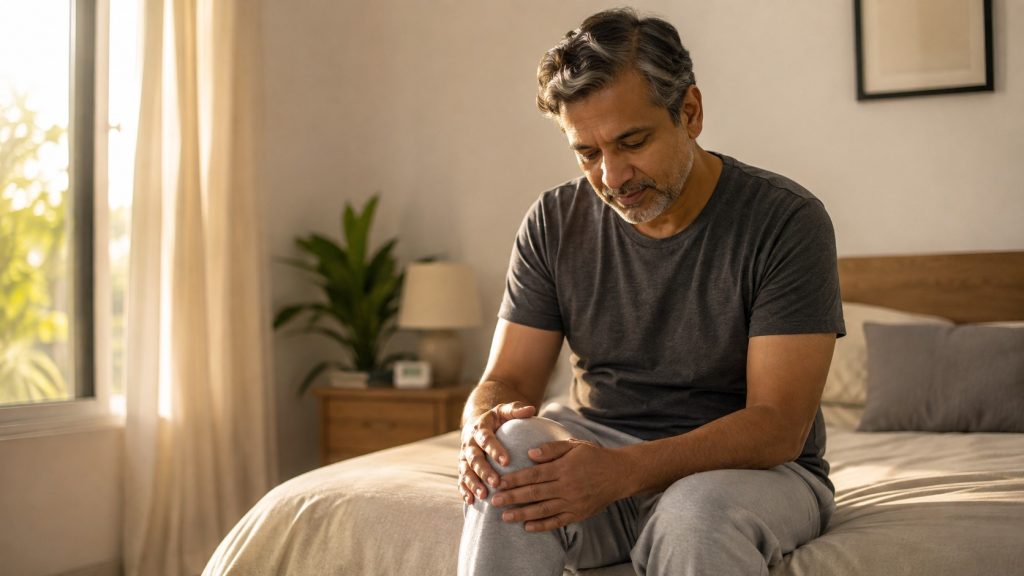
Most people hear “knee osteoarthritis” and immediately think surgery is next. That’s not always true. For a lot of people, the right non-surgical treatment can manage pain, slow joint damage, and buy years of better function before surgery ever becomes necessary. Some avoid it altogether. Here’s what you need to know. What Actually Happens to a Knee with Osteoarthritis? Your knee joint is cushioned by cartilage. When that cartilage breaks down over time, the bones start to rub together. This causes pain, stiffness, swelling, and difficulty moving the joint normally. Osteoarthritis doesn’t happen overnight. It progresses in stages. And that’s the important part: the earlier you address it, the more options you have. If you’re dealing with knee pain that’s been going on for a while, getting an evaluation sooner rather than later actually gives you more choices, not fewer. Surgery Isn’t the Only Option Knee replacement surgery replaces your damaged joint with an artificial one. It can be effective, but it’s also a major procedure. Recovery takes months. There are risks. And artificial joints don’t last forever. Most need revision surgery after 15 to 20 years. So if you’re in your 40s or 50s with moderate osteoarthritis, delaying surgery while preserving the joint you have is a genuinely smart approach. Non-surgical treatments have come a long way. The goal isn’t to ignore the problem. It’s to support your joint’s natural repair processes while keeping you active and comfortable. Treatment Options That Can Help PA-PRP (Platelet-Rich Plasma) PRP therapy uses your own blood. A small sample is drawn, processed to concentrate the platelets, and then injected directly into the knee joint. Platelets carry growth factors that support tissue repair and can help reduce inflammation in the joint. It’s not a cure, but for many people with mild to moderate knee osteoarthritis, it can provide meaningful relief and slow the pace of degeneration. Learn more about PRP therapy at ACRT BD. Platelet Lysate Similar to PRP, but processed differently. Platelet lysate releases growth factors in a more concentrated form. It’s particularly useful for supporting tissue healing in joints where the lining or soft tissue has been affected. PRP Combined with Hyaluronic Acid (Viscosupplementation) This combination pairs PRP with hyaluronic acid, a substance that naturally occurs in healthy joint fluid. Healthy knees have plenty of it. Arthritic knees often don’t. When injected together, PRP supports repair while hyaluronic acid helps restore joint lubrication and acts as a shock absorber. The combination can help the knee move more comfortably and with less friction. You can read more about viscosupplementation and how it works as a standalone treatment as well. What Supports These Treatments Regenerative therapies work best when they’re part of a broader plan. Alongside any injection-based treatment, your practitioner may recommend: These aren’t just “lifestyle advice.” Each one has a measurable effect on how fast osteoarthritis progresses and how well you respond to treatment. You can explore the full range of treatment options available at ACRT BD. When Should You Get Evaluated? The biggest mistake people make is waiting until the pain is so bad that surgery feels like the only way out. By that point, the joint damage is often extensive and the window for regenerative treatment has narrowed. If you have: These are signs worth taking seriously. An early evaluation helps determine where you are in the progression and which treatment options are most appropriate for your condition. What Happens at ACRT BD Mr. Shamsul Hoque Nadim, Regenerative Therapy Practitioner, BPT (University of Dhaka), ISMST Certified, with over 10 years of clinical experience, evaluates each patient individually. There’s no one-size-fits-all approach here. Depending on your assessment, he may recommend one or a combination of the treatments above, along with a physiotherapy and lifestyle support plan designed around your specific condition. ACRT BD is located in Baridhara DOHS, Gulshan, Dhaka. To book a consultation, reach out on WhatsApp: 01977656237 or visit the contact page. The Bottom Line Knee replacement has its place. But it doesn’t have to be the first answer. With the right evaluation and the right treatment plan, many people with knee osteoarthritis can manage their symptoms, protect what’s left of their joint, and delay or avoid surgery altogether. The earlier you start, the more you can do.
পিআরপি থেরাপি: জয়েন্ট ও টেনডনের ব্যথায় শরীরের নিজস্ব নিরাময় শক্তি কাজে লাগান
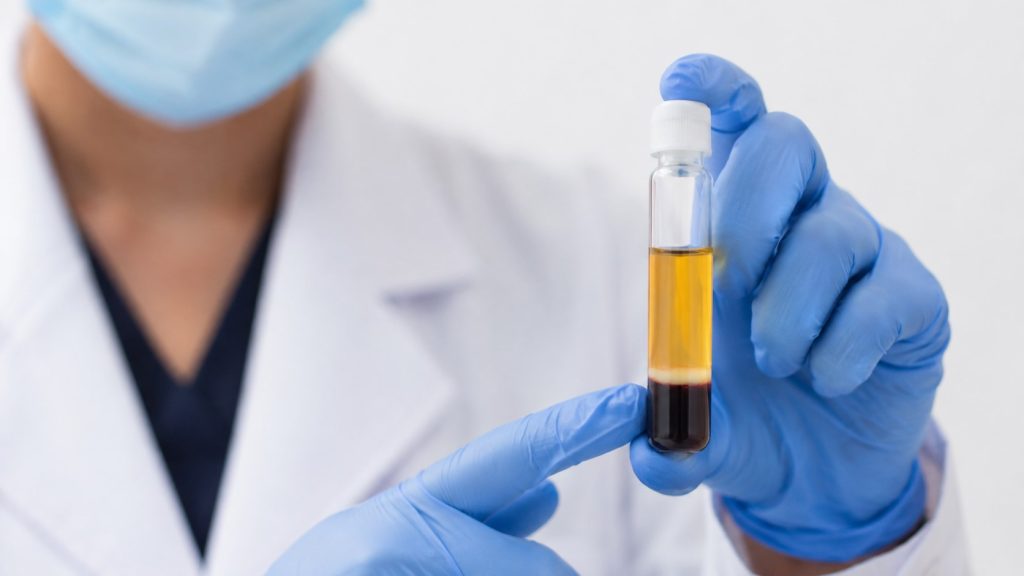
গোড়ালিতে ব্যথা, গাঁটে ব্যথা, কিংবা দীর্ঘদিনের টেনডনের সমস্যা নিয়ে যারা কষ্ট পাচ্ছেন, তাদের অনেককেই বলা হয় বিশ্রাম নিতে এবং ব্যথার ওষুধ খেতে। কিছুদিন পর আবার ব্যথা ফিরে আসে। এই চক্রটা যেন শেষ হতে চায় না। পিআরপি থেরাপি এই ধারার বাইরে একটু ভিন্নভাবে কাজ করে। এটা শুধু ব্যথা চাপা দেয় না, বরং টিস্যু মেরামতের প্রক্রিয়াকে সাহায্য করার চেষ্টা করে। পিআরপি মানে কী? PRP মানে Platelet-Rich Plasma, বাংলায় বলতে পারেন প্লেটলেট-সমৃদ্ধ প্লাজমা। এটা আসে আপনার নিজের রক্ত থেকে। প্রক্রিয়াটা সহজ। বাহু থেকে সামান্য রক্ত নেওয়া হয়। সেই রক্ত একটি সেন্ট্রিফিউজ মেশিনে দ্রুত ঘুরিয়ে আলাদা করা হয়। ঘোরানোর ফলে রক্তের স্তরগুলো আলাদা হয়ে যায়। একটি স্তরে থাকে প্লেটলেট, যেটাতে প্রচুর গ্রোথ ফ্যাক্টর থাকে। গ্রোথ ফ্যাক্টর হলো এমন প্রোটিন যেগুলো শরীরের ক্ষতিগ্রস্ত টিস্যুকে মেরামতের সংকেত দেয়। এই প্লেটলেট-ঘন দ্রবণটি যখন ব্যথার জায়গায় ইনজেকশনের মাধ্যমে দেওয়া হয়, তখন সেটি শরীরের স্বাভাবিক নিরাময় প্রক্রিয়াকে আরো শক্তিশালী করে তোলার চেষ্টা করে। কোন কোন সমস্যায় পিআরপি কাজে লাগতে পারে? পিআরপি বিভিন্ন ধরনের হাড়-মাংসপেশির সমস্যায় ব্যবহার করা হয়। ক্লিনিক্যাল মূল্যায়নের ভিত্তিতে নিচের অবস্থাগুলোতে এটি বিবেচনা করা হতে পারে: প্লান্টার ফ্যাসাইটিস – পায়ের তলায় একটা মোটা লিগামেন্ট থাকে যাকে প্লান্টার ফ্যাশিয়া বলে। এটা প্রদাহিত হলে সকালে প্রথম পা ফেলতেই তীব্র ব্যথা অনুভব হয়। বিশ্রাম ও ফিজিওথেরাপিতে যখন পুরো উপকার পাওয়া যায় না, তখন পিআরপি একটি বিকল্প হতে পারে। অ্যাকিলিস টেনডিনাইটিস – পায়ের গোড়ালির পেছনে থাকা অ্যাকিলিস টেনডনে দীর্ঘমেয়াদী চাপ পড়লে সেটা ব্যথা ও শক্ত হয়ে যায়। টেনডনে রক্ত সরবরাহ এমনিতে কম, তাই সারতে সময় লাগে। পিআরপি সরাসরি সেই জায়গায় নিরাময়ের সংকেত পৌঁছে দিতে পারে। গোড়ালি ও পায়ের আর্থ্রাইটিস – আর্থ্রাইটিস মানে জয়েন্টের কার্টিলেজ ক্ষয় হচ্ছে। পিআরপি কার্টিলেজ তৈরি করে না, তবে কিছু রোগীর ক্ষেত্রে প্রদাহ কমাতে এবং ক্ষয়ের গতি ধীর করতে সাহায্য করতে পারে। স্পোর্টস ইনজুরি – খেলাধুলা বা ব্যায়াম থেকে পেশি ও টেনডনে আঘাত লাগলে সুস্থ হতে অনেক সময় লেগে যায়। পিআরপি ফিজিওথেরাপির পাশাপাশি সেই পুনরুদ্ধারকে সহায়তা করতে পারে। দীর্ঘমেয়াদী টেনডনের ব্যথা – কয়েক মাস ধরে টেনডনে ব্যথা থাকলে সেটাকে টেনডিনোপ্যাথি বলা হয়। এই অবস্থায় টিস্যুর গঠন বদলে যেতে পারে এবং স্বাভাবিক চিকিৎসায় সাড়া দেওয়া কমে যায়। পিআরপি এই ক্ষেত্রে মেরামতের প্রক্রিয়া চালু করার চেষ্টা করে। অস্ত্রোপচারের পরে সুস্থতায় – কিছু ক্ষেত্রে অস্ত্রোপচারের পরে টিস্যু দ্রুত সারাতে পিআরপি ব্যবহার করা হয়। এটা সব ক্ষেত্রে প্রযোজ্য নয়, নির্দিষ্ট অবস্থার উপর নির্ভর করে। পিআরপি কি নিশ্চিত ফল দেয়? না, এবং এটা পরিষ্কারভাবে বলা দরকার। পিআরপির পেছনে একটা বৈজ্ঞানিক ভিত্তি আছে। তবে এটা কতটা কাজ করবে সেটা নির্ভর করে সমস্যার ধরন ও তীব্রতার উপর, কতদিন ধরে ব্যথা চলছে, আপনার সামগ্রিক স্বাস্থ্য পরিস্থিতি এবং কীভাবে চিকিৎসা দেওয়া হচ্ছে তার উপর। সঠিক ক্লিনিক্যাল মূল্যায়ন ছাড়া পিআরপি দেওয়া হয় না। আপনার প্র্যাকটিশনার আপনার অবস্থা দেখে সিদ্ধান্ত নেবেন। ওষুধের সাথে পার্থক্য কোথায়? ব্যথার ওষুধ শরীরের ব্যথার সংকেত দাবিয়ে রাখে। ব্যথা কমে যায়, কিন্তু ভেতরের সমস্যা থেকেই যায়। ওষুধ বন্ধ করলে ব্যথা আবার ফিরে আসতে পারে। পিআরপি উল্টো দিক থেকে কাজ করে। এটা আপনার শরীরের নিজস্ব উপাদান ব্যবহার করে মেরামতের প্রক্রিয়াকে সক্রিয় করার চেষ্টা করে। বাইরের কোনো ওষুধ শরীরে ঢোকানো হয় না বলে অ্যালার্জির ঝুঁকি খুব কম। ACRT BD-তে চিকিৎসার অভিজ্ঞতা কেমন? ACRT BD-তে পিআরপি থেরাপি দেন মি. শামসুল হক নাদিম, যিনি একজন রিজেনারেটিভ থেরাপি প্র্যাকটিশনার। তার রয়েছে ১০ বছরেরও বেশি ক্লিনিক্যাল অভিজ্ঞতা এবং ISMST সার্টিফিকেশন। প্রথমে একটা বিস্তারিত মূল্যায়ন হয়। আপনার ইতিহাস শোনা হয়, ব্যথার জায়গা পরীক্ষা করা হয়, এবং পিআরপি আপনার জন্য উপযুক্ত কিনা সেটা নির্ধারণ করা হয়। উপযুক্ত হলে সামান্য রক্ত নেওয়া হয় এবং সাইটেই প্রসেস করা হয়। তারপর প্রস্তুত পিআরপি সঠিক কৌশলে ব্যথার জায়গায় ইনজেকশন দেওয়া হয়। পুরো সেশনটা তুলনামূলকভাবে সংক্ষিপ্ত। বেশিরভাগ ক্ষেত্রে একাধিক সেশন লাগে। সংখ্যাটা নির্ভর করে সমস্যার ধরন এবং টিস্যু কীভাবে সাড়া দিচ্ছে তার উপর। সেশনের পরে কী হয়? চিকিৎসার পরে কয়েকদিন একটু ব্যথা বা অস্বস্তি থাকতে পারে। এটা সাধারণত ভালো লক্ষণ, মানে শরীর সাড়া দিচ্ছে। আপনার প্র্যাকটিশনার এই সময়ে কতটা নড়াচড়া করা যাবে সে বিষয়ে গাইড করবেন। ফল রাতারাতি আসে না। পিআরপি সপ্তাহ ধরে কাজ করে। অনেক রোগী চার থেকে আট সপ্তাহের মধ্যে উন্নতি অনুভব করতে শুরু করেন, তবে এটা প্রত্যেকের জন্য আলাদা হতে পারে। পিআরপি কি আপনার জন্য সঠিক? সেটা আপনার নির্দিষ্ট অবস্থার উপর নির্ভর করে। সঠিক মূল্যায়ন ছাড়া এটা সুপারিশ করা হয় না। যদি আপনার জয়েন্ট বা টেনডনের ব্যথা দীর্ঘদিন ধরে চলছে এবং স্বাভাবিক চিকিৎসায় পুরো সুস্থতা আসেনি, তাহলে একজন বিশেষজ্ঞের সাথে কথা বলে আপনার বিকল্পগুলো বুঝে নেওয়া ভালো। পরামর্শের জন্য ACRT BD-তে যোগাযোগ করুন WhatsApp-এ: 01977656237 ACRT BD-এর অবস্থান: বারিধারা ডিওএইচএস, গুলশান, ঢাকা। আরও পড়ুন:
PRP Therapy for Joint and Tendon Pain: What It Is and How It Works
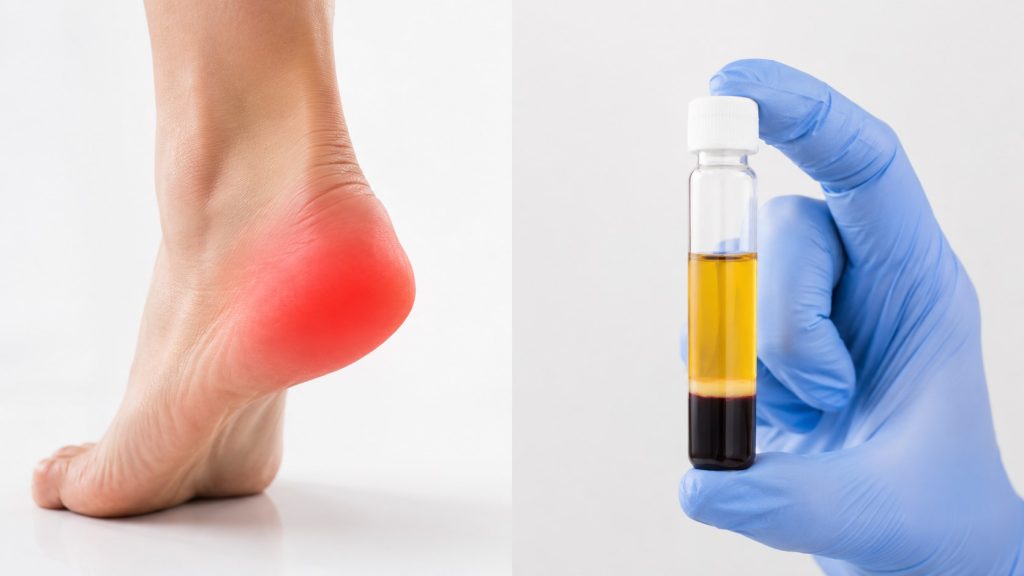
If you have been dealing with heel pain, a sore Achilles tendon, or a joint that just refuses to heal, you have probably been told to rest, take painkillers, and wait. That advice works sometimes. But for a lot of people, the pain keeps coming back. PRP therapy is one approach that works differently. Instead of just managing the pain, it tries to help the tissue actually repair itself. What Is PRP? PRP stands for Platelet-Rich Plasma. It comes from your own blood. Here is how it works. A small amount of blood is drawn from your arm. That blood is then placed in a machine called a centrifuge, which spins it at high speed. The spinning separates the blood into layers. One of those layers is rich in platelets. Platelets are tiny cells that your body uses to heal injuries. They carry growth factors, which are proteins that signal damaged tissue to repair. When this concentrated platelet solution is injected into an injured area, the idea is that it gives the body a stronger healing signal than it would get on its own. What Conditions Can PRP Help With? PRP has been used for a range of musculoskeletal problems. Based on the current clinical picture, it may be considered for: Plantar fasciitis – This is the thick band of tissue along the bottom of your foot. When it gets inflamed, every morning step can feel like walking on glass. PRP is sometimes used when rest and physiotherapy have not brought enough relief. Achilles tendinitis – The Achilles tendon connects your calf to your heel. Overuse or repeated strain can cause it to become painful and stiff. Tendons have poor blood supply on their own, which is one reason they heal slowly. PRP may help by delivering healing signals directly to the area. Ankle and foot arthritis – Arthritis means the cartilage in a joint is wearing down. PRP does not rebuild cartilage, but it may help reduce inflammation and slow the breakdown process in some patients. Sports injuries – Muscle and tendon injuries from sport can sideline people for weeks or months. PRP is sometimes used alongside physiotherapy to support recovery. Chronic tendon pain – When tendon pain lingers for months despite treatment, it is sometimes called tendinopathy. The tissue has often changed in structure. PRP is used to try to stimulate repair in tissue that has become resistant to healing. Post-surgical recovery – Some clinicians use PRP after surgery to help tissues heal more efficiently. It is not a standard part of every surgery, but it is used in select cases. Is PRP a Guaranteed Treatment? No, and it is important to be clear about that. PRP is a biological treatment with a real mechanism behind it. But how well it works depends on a lot of factors including the type and severity of the injury, how long the problem has been going on, your overall health, and the technique used. It is not a fix for everything. A proper clinical assessment is the first step. If PRP is appropriate for your condition, your practitioner will discuss it as part of a treatment plan. It is rarely used in isolation. What Makes PRP Different From Medication? Painkillers and anti-inflammatory drugs work by suppressing signals in your body. They reduce pain and swelling, but they do not repair the underlying damage. When you stop the medication, the problem is often still there. PRP works in the opposite direction. It uses material from your own body to try to trigger a repair process. There is no foreign substance introduced, which is one reason the risk of allergic reaction is very low. What Happens During a Session at ACRT BD? At ACRT BD, PRP therapy is provided by Mr. Shamsul Hoque Nadim, a Regenerative Therapy Practitioner with over 10 years of clinical experience and ISMST certification. The process begins with an assessment. He will review your history, examine the affected area, and determine whether PRP is an appropriate option for you. If it is, a small blood sample is taken. It is processed on-site. The PRP is then prepared and injected under careful technique into the target area. The session itself is relatively short. Most people need more than one session. The number depends on the condition being treated and how the tissue responds. After the Session It is normal to feel some soreness in the treated area for a few days. This is usually a sign that the body is responding. Your practitioner will give you guidance on activity levels during recovery. Results do not appear overnight. PRP works over weeks as the tissue gradually repairs. Many patients begin to notice improvement within four to eight weeks, though this varies. Is PRP Right for You? That depends on your specific situation. PRP is not suitable for everyone and is not recommended without a proper assessment. If you have joint or tendon pain that has not responded to rest or standard treatment, it may be worth having a conversation with a practitioner to understand your options. To book a consultation with ACRT BD, contact us on WhatsApp: 01977656237 ACRT BD is located in Baridhara DOHS, Gulshan, Dhaka. Related reading: