
If you have been dealing with heel pain, a sore Achilles tendon, or a joint that just refuses to heal, you have probably been told to rest, take painkillers, and wait. That advice works sometimes. But for a lot of people, the pain keeps coming back.
PRP therapy is one approach that works differently. Instead of just managing the pain, it tries to help the tissue actually repair itself.
What Is PRP?
PRP stands for Platelet-Rich Plasma. It comes from your own blood.
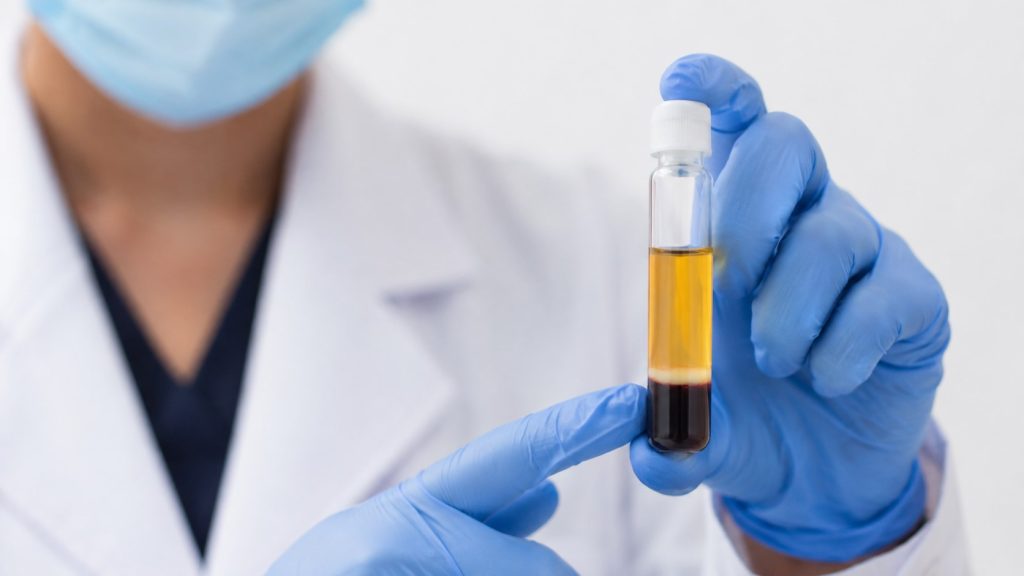
Here is how it works. A small amount of blood is drawn from your arm. That blood is then placed in a machine called a centrifuge, which spins it at high speed. The spinning separates the blood into layers. One of those layers is rich in platelets.
Platelets are tiny cells that your body uses to heal injuries. They carry growth factors, which are proteins that signal damaged tissue to repair. When this concentrated platelet solution is injected into an injured area, the idea is that it gives the body a stronger healing signal than it would get on its own.
What Conditions Can PRP Help With?
PRP has been used for a range of musculoskeletal problems. Based on the current clinical picture, it may be considered for:
Plantar fasciitis – This is the thick band of tissue along the bottom of your foot. When it gets inflamed, every morning step can feel like walking on glass. PRP is sometimes used when rest and physiotherapy have not brought enough relief.
Achilles tendinitis – The Achilles tendon connects your calf to your heel. Overuse or repeated strain can cause it to become painful and stiff. Tendons have poor blood supply on their own, which is one reason they heal slowly. PRP may help by delivering healing signals directly to the area.
Ankle and foot arthritis – Arthritis means the cartilage in a joint is wearing down. PRP does not rebuild cartilage, but it may help reduce inflammation and slow the breakdown process in some patients.
Sports injuries – Muscle and tendon injuries from sport can sideline people for weeks or months. PRP is sometimes used alongside physiotherapy to support recovery.
Chronic tendon pain – When tendon pain lingers for months despite treatment, it is sometimes called tendinopathy. The tissue has often changed in structure. PRP is used to try to stimulate repair in tissue that has become resistant to healing.
Post-surgical recovery – Some clinicians use PRP after surgery to help tissues heal more efficiently. It is not a standard part of every surgery, but it is used in select cases.
Is PRP a Guaranteed Treatment?
No, and it is important to be clear about that.
PRP is a biological treatment with a real mechanism behind it. But how well it works depends on a lot of factors including the type and severity of the injury, how long the problem has been going on, your overall health, and the technique used.
It is not a fix for everything. A proper clinical assessment is the first step. If PRP is appropriate for your condition, your practitioner will discuss it as part of a treatment plan. It is rarely used in isolation.
What Makes PRP Different From Medication?
Painkillers and anti-inflammatory drugs work by suppressing signals in your body. They reduce pain and swelling, but they do not repair the underlying damage. When you stop the medication, the problem is often still there.
PRP works in the opposite direction. It uses material from your own body to try to trigger a repair process. There is no foreign substance introduced, which is one reason the risk of allergic reaction is very low.
What Happens During a Session at ACRT BD?
At ACRT BD, PRP therapy is provided by Mr. Shamsul Hoque Nadim, a Regenerative Therapy Practitioner with over 10 years of clinical experience and ISMST certification.
The process begins with an assessment. He will review your history, examine the affected area, and determine whether PRP is an appropriate option for you.
If it is, a small blood sample is taken. It is processed on-site. The PRP is then prepared and injected under careful technique into the target area. The session itself is relatively short.
Most people need more than one session. The number depends on the condition being treated and how the tissue responds.
After the Session
It is normal to feel some soreness in the treated area for a few days. This is usually a sign that the body is responding. Your practitioner will give you guidance on activity levels during recovery.
Results do not appear overnight. PRP works over weeks as the tissue gradually repairs. Many patients begin to notice improvement within four to eight weeks, though this varies.
Is PRP Right for You?
That depends on your specific situation. PRP is not suitable for everyone and is not recommended without a proper assessment.
If you have joint or tendon pain that has not responded to rest or standard treatment, it may be worth having a conversation with a practitioner to understand your options.
To book a consultation with ACRT BD, contact us on WhatsApp: 01977656237
ACRT BD is located in Baridhara DOHS, Gulshan, Dhaka.
Related reading:
3 Responses